
Ireland Makes Access to Cash a Legal Guarantee
 Dec 10, 2025
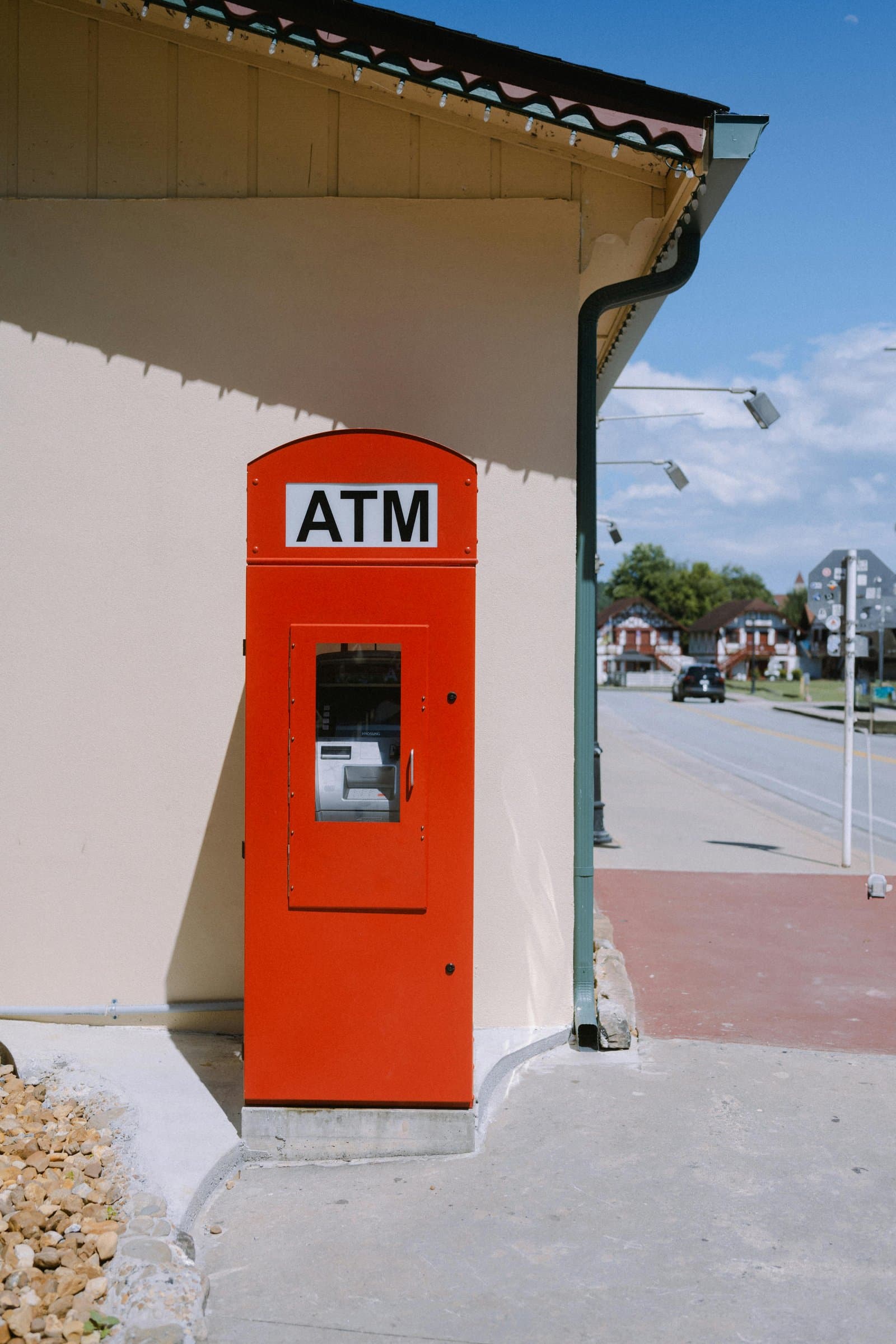
Ireland has formally switched on one of Europe’s strongest protections for cash. From this week, financial institutions are legally required to ensure that every community has an ATM or cash service point within 10km.
The order, signed by Minister for Finance Simon Harris, activates legislation passed earlier this year and puts clear responsibility on banks to maintain physical access to money across the country.
What the Law Actually Requires
The rules are straightforward:
- Banks must provide cash access points within a 10km radius of most homes and businesses.
- Coverage can be delivered through traditional ATMs or designated cash service points.
- Compliance will be monitored by the Central Bank, following its nationwide mapping of ATM availability.
This closes the final administrative loop and turns a policy aspiration into an enforceable obligation.
Why This Matters for Everyday Life
While digital payments have grown quickly, many people still rely on cash for stability and control.
Older residents, low-income households, small retailers, farmers’ markets, and rural traders all depend on notes and coins for budgeting, trust, and day-to-day trade.
Branch closures over the past decade pushed rural communities to the edge—sometimes leaving the nearest cashpoint an entire county away. The new law anchors cash as a public utility rather than a convenience that disappears when commercial priorities shift.
How Banks Will Deliver
Banks have flexibility in how they meet the standard. They can:
- Maintain or upgrade existing ATMs
- Install new machines in underserved areas
- Create shared cash hubs
- Partner with independent cash-handling providers
What matters is not the format but the guarantee: nobody should have to travel unreasonable distances just to access their own money.
Where the Impact Will Be Felt
The most meaningful change will be seen in rural towns and village centres hit hardest by branch withdrawals. Small businesses that rely on cash lodgements, elderly people who avoid digital payments, and households that budget physically will now have a dependable point of access.
For many, this is more than convenience. It is the restoration of control, dignity, and autonomy in everyday financial life.
Part of a Wider European Shift
Ireland’s decision joins a growing list of European states—Slovenia, France, the UK, Sweden, Norway, Finland—enshrining cash access in law. The message is clear: cash remains essential to resilience, inclusion, and democratic participation, even as digital options expand.
What It Means Going Forward
By turning access to cash into a legal right, Ireland recognises that financial systems must serve everyone, not just those comfortable with digital tools. This is a step toward a more balanced payments landscape—one where consumer choice, security, and local economies remain protected.