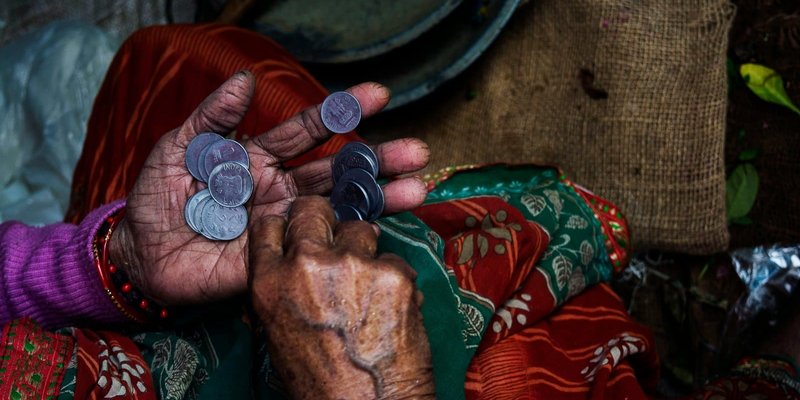

In an increasingly uncertain world marked by wars, conflicts, and natural or man-made disasters, 2025 emerged as a pivotal year for cash as a critical lifeline when digital systems fail. From the corridors of the European Central Bank to the streets of Nairobi and the legislative chambers in New York, policymakers, central banks, and governments reached a sobering conclusion: in times of crisis, cash is essential.
Perhaps no development was more impactful than the European Central Bank's explicit guidance urging households to keep emergency cash. The institution, which oversees monetary policy for 350 million Europeans, reaffirmed cash's critical role in crisis resilience and consumer protection, a recognition that digital payment infrastructure, however sophisticated, remains vulnerable to power outages, cyberattacks, and system failures.
Slovenia took an even bolder measure in December, joining Hungary and Slovakia as the third EU country to enshrine the right to pay in cash into its constitution. Hungary's March amendment to its Fundamental Law elevated cash use to constitutional protection, while Slovakia implemented similar protections, allowing businesses to refuse cash only for clearly justified practical reasons.
Across the Atlantic, New York State took bold legislative action, requiring in-person retailers to accept cash while banning the practice of charging higher prices to cash-paying customers. The move affirmed payment choice as a fundamental consumer right, addressing growing concerns about financial exclusion as some businesses reject physical currency.
Countries with firsthand experience of system-breaking disasters took particularly pragmatic approaches. Japan, no stranger to earthquakes and tsunamis, maintained its emphasis on ensuring cash remains "ready when it matters", with disaster preparedness guidelines explicitly addressing the need for physical currency when digital infrastructure is compromised. Similarly, the Netherlands issued guidance emphasising that households should be "prepared with cash for emergency", supporting broader resilience strategies.
In the Global South, where cash remains deeply embedded in daily commerce, policymakers pursued balanced approaches. Kenya proposed the Central Bank of Kenya (Amendment) Bill 2025, which would make it illegal for businesses to reject cash for transactions below $775, explicitly recognising that "cash remains part of everyday commerce for in-person payments" and protecting millions who rely on physical currency. Brazil championed a "balanced payments ecosystem", with its Central Bank emphasising that cash "remains part of Brazil's payment future" even as it advanced digital innovations like Pix. South Africa embarked on its biggest cash-system overhaul in decades, with the central bank considering extended cash regulations and operating licenses for cash-in-transit companies.
As 2025 drew to a close, the cumulative effect of these developments was unmistakable. In a year when technological optimism collided with harsh geopolitical and environmental realities, cash proved it wasn't merely surviving but was being actively protected.
Looking Ahead: Cash as National Security in 2026
The momentum from 2025 shows no signs of slowing. As we move through 2026, states are increasingly viewing cash through the lens of national security and resilience planning. In an era of heightened cyber threats and geopolitical instability, governments are recognising that dependence on digital payment systems creates critical vulnerabilities. Cash is no longer merely an economic tool, it's a strategic asset.
This awareness extends beyond emergency preparedness to questions of sovereignty and national identity. Physical currency represents tangible state authority in ways that digital payments, often mediated by multinational corporations and vulnerable to foreign interference, cannot replicate. For nations seeking to maintain monetary independence, cash protection has become a matter of sovereign priority.
Europe is poised to lead this charge with the anticipated Single Currency Package, which includes a proposed regulation on the legal tender of euro banknotes and coins. The legislation will build on the stronger protections implemented by many EU member states, creating a unified framework that needs to ensure citizens' right to pay with cash cannot be arbitrarily restricted. Similar legislation is pending in the United States, where federal action could codify the protections that pioneering states like New York have already embraced.
But the case for cash in 2026 extends beyond security concerns to more fundamental questions about privacy and human autonomy. In an increasingly digital world, where every transaction generates data and every purchase leaves a trail, people are rediscovering their need for human contact and genuine connections. Cash payments, far from being merely "contactless alternatives," represent the opposite, human contact. They are inherently personal, private, and free from corporate surveillance.
Emerging research is revealing the darker implications of payment platform tracking. Companies are increasingly deploying sophisticated algorithms that analyse spending histories and location data to implement targeted pricing, charging different customers different amounts for identical goods based on their payment history and perceived willingness to pay. What was once theoretical is now a documented reality: your digital payment history is used against you at the checkout.
This surveillance economy creates a world where financial privacy becomes a luxury. Every digital transaction feeds corporate profiles that influence not just what prices you pay, but what opportunities you're offered, what credit terms you receive, and how you're categorised by systems beyond your control.
Cash matters because choice, privacy, and resilience matter. The most advanced payment technology isn't the newest, it's the one that works when everything else fails, it respects privacy, and safeguards freedom, sovereignty, and resilience in an increasingly unpredictable world.